A black tea can taste like two different drinks depending on what you pour it into. Same leaf, same water, same steep — yet a wide breakfast bowl and a tall narrow tumbler hand you different aromas and different temperatures at the lip. That is not imagination. It is geometry. I brewed the same Assam, Keemun and Darjeeling into three deliberately different cups to see where the differences show up, and how to use them.
Why the Cup Is Part of the Recipe
Two things change when you change cups: how fast aroma reaches your nose, and how fast heat leaves the liquid.
Aroma compounds in black tea are volatile. They leave the surface constantly, and once airborne they either drift toward your nose or drift into the room. A wide, open vessel gives them more surface to escape from and more air to spread into, so more of that fragrance is spent before you take a sip. A narrow vessel funnels the same compounds upward in a tighter column.
Heat follows a similar logic. Cooling happens at the surface, so what matters is surface area relative to volume. A shallow, wide pool of tea exposes far more liquid per millilitre than a tall column does. Add wall material — thin porcelain versus thick stoneware — and the difference between a cup still hot at eight minutes and one lukewarm at four becomes easy to predict.
The Three Cups
Three shapes, one tea each, three rounds.
The wide cup
A shallow bowl roughly eleven centimetres across with a low, gently curved wall. It holds about 150 ml comfortably and looks generous. Fill it and you have a broad, dark disc of tea with a lot of air above it.
The tall cup
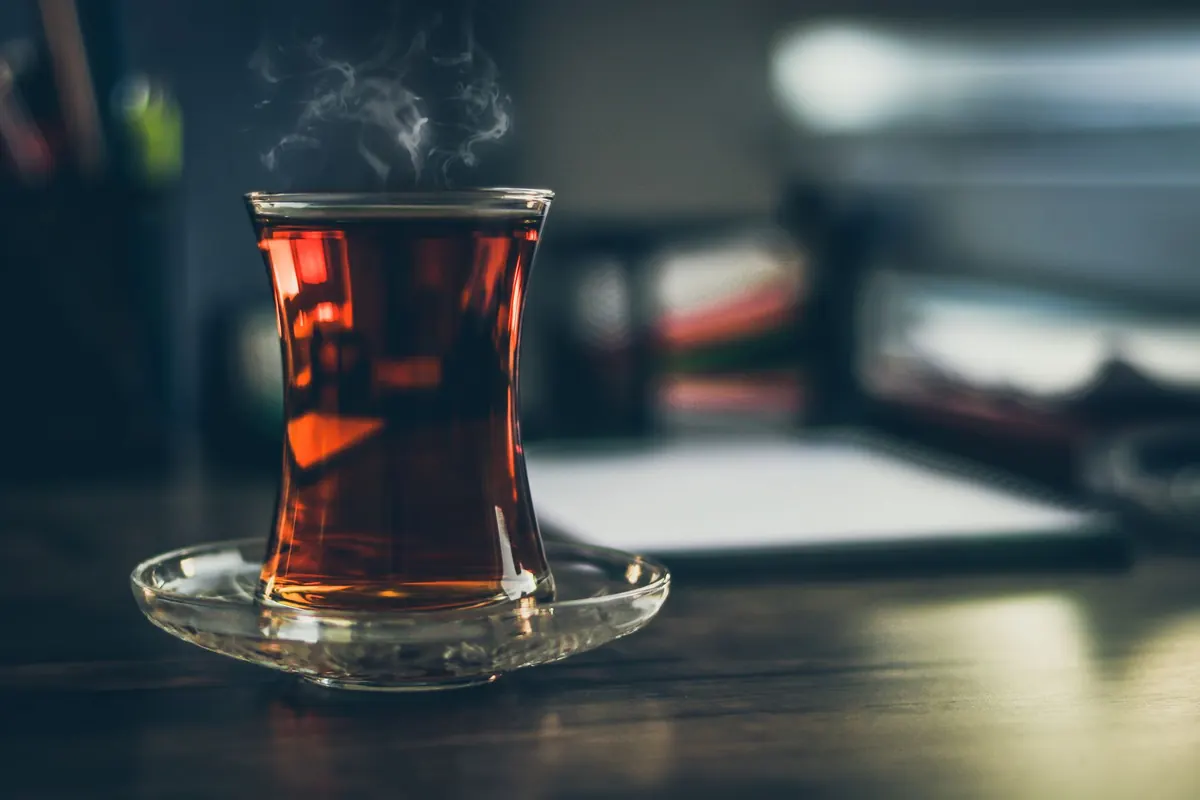
A straight-sided tumbler, maybe eight centimetres across and twelve deep, holding around 200 ml. The tea sits in a narrow column, and your nose has to travel down into the cup to meet the aroma.
The flared cup
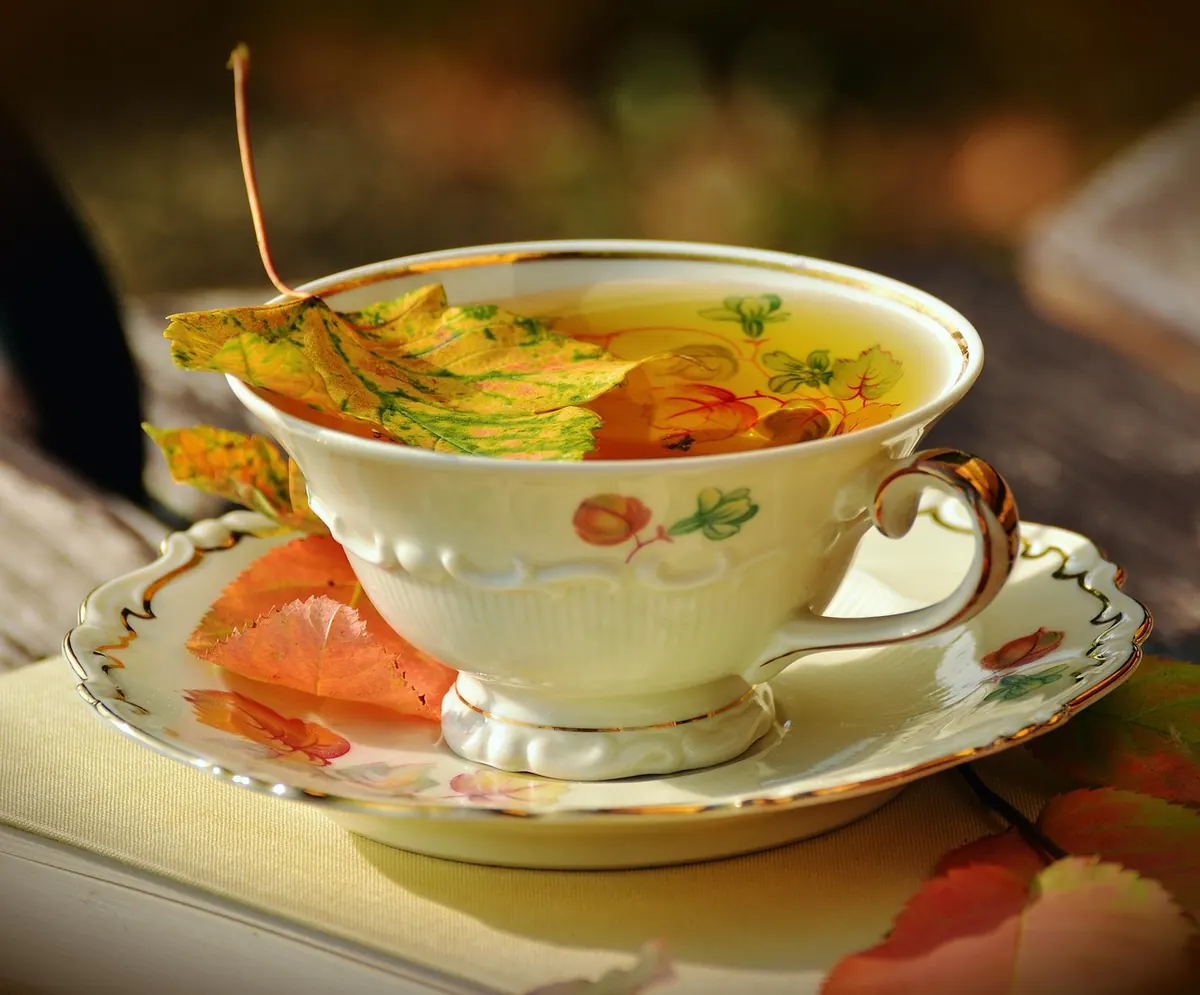
A tulip shape: narrow at the base, flaring to a rim wider than the body. It is the classic silhouette of a good teacup and, not by coincidence, of a nosing glass. Around 170 ml, thin walls.
Rim Shape and Aroma
This is where the differences were most obvious, and the flared cup won.
A flared rim does something useful: it turns the rising volatiles outward and upward at the moment the cup reaches your mouth, so the aroma arrives with the sip rather than before or after it. With the Darjeeling — a first flush, all muscatel and green-apple lift — the flared cup gave a noticeably more distinct nose than the wide bowl, where much of that fragrance had already gone into the room by the time I lifted it.
The tall cup is a different pleasure. The narrow opening concentrates aroma, but holds it lower down. To smell a Keemun's cocoa-and-orchid character properly, you have to put your face in the cup. That is fine — it is what the habit of smelling the empty cup is about — but it is a deliberate act rather than something that happens while you drink. Right after pouring, the steam is also hot enough to be uncomfortable, so give a tall cup a minute.
The wide cup loses the aroma race. It is not a bad cup; it simply spends its fragrance early. What it gives back is a softer, rounder smell with less definition, and a top note that fades within a couple of minutes.
Wall thickness matters too. A thin rim releases the tea cleanly across the tongue. A thick, rolled rim puts a band of porcelain between the tea and your lip, and the liquid arrives in a narrower stream — pleasant with milk and sugar, less good for delicate leaf.
Where the Heat Goes
Predictable, and easy to feel:
- Wide cup: drops fast. Still comfortable at two minutes, genuinely cool by five or six. Good for a strong Assam you want to watch shift from brisk to malty-sweet as it cools.
- Tall cup: holds longest. The top layer cools first while the body stays warm, so you get a hot first third and a warm last third. Best for teas you intend to drink slowly.
- Flared cup: middling, but even. The wide rim cools the surface while the narrow base keeps the lower volume insulated. It stayed drinkable longer than the wide cup without the scalding top of the tall one.
One variable beats all of them: preheat. Rinse the cup with hot water and tip it out before you pour. An unheated thick cup steals heat from a 200 ml serving fast enough to change the first two minutes.
Matching Cups to Black Teas
Rough pairings that held up across the tastings:
- Darjeeling first flush: flared, thin-walled, no milk. The aroma is the point.
- Keemun and other nuanced Chinese blacks: tall and narrow, or a small flared cup you refill often.
- Assam and English breakfast blends: wide and sturdy. A splash of milk suits the fast cooling.
- Smoky lapsang: wide. Letting the smoke disperse a little makes the pine and dried-longan notes easier to find.
- Ceylon and other brisk, citrusy blacks: flared, so the rim directs that bright top note straight to the nose.
A Ten-Minute Test in Your Own Kitchen
You do not need special equipment. Three cups and one teapot will do it.
- Brew one pot of the same black tea — roughly 4 g of leaf to 300 ml of water just off the boil, steeped three minutes, then strained.
- Pour the same volume into each cup and note the time.
- Smell each cup at thirty seconds, then at two minutes, then at five. Note which one still has something to say.
- Slurp from each. A slurp pulls air across the tea and pushes aroma up into the back of your nose, which is where most of what you call flavour actually lives.
- If you own a thermometer, check each cup at one, three and six minutes. Otherwise judge by lip temperature and write "hot", "warm" or "cool".
- Repeat with a second tea. Two rounds is usually enough to see your own preference clearly.
Keep notes short. "Flared — apple, still there at five minutes" tells you more next month than a paragraph of adjectives.
What to Do With This
You do not need to buy anything. If you own one cup, drink from it and adjust in the other direction: use slightly cooler water and a shorter steep in a tall cup, and drink a wide cup sooner than you otherwise would.
If you are choosing, let the tea lead. Aromatically delicate blacks want a flared, thin rim and a cup you can hold to your nose. Big malty breakfast teas want width and a sturdy wall, and they reward you as they cool. Whatever you pick, warm it first. That single step does more for the cup in front of you than any shape on this list.
Photo: Hasan Albari / Pexels