Three cups, same size, same tea. One is thin porcelain, one is chunky stoneware, one is clear glass. They all hold liquid, and they all behave differently the moment you pour. Material decides how quickly the tea cools, how the rim meets your lip, whether last night's oolong lingers in the glaze, and how relaxed you feel carrying it back to your desk. Here is what each one is genuinely like to live with.
Heat Retention: Where the Differences Show Up First
Glass runs cool fastest. The walls are thin, so there is very little material to store warmth, and the tea sits close to open air with nothing buffering it. A glass cup of black tea can go from pleasantly hot to lukewarm in the time it takes to answer two emails. If you sip slowly, that matters.
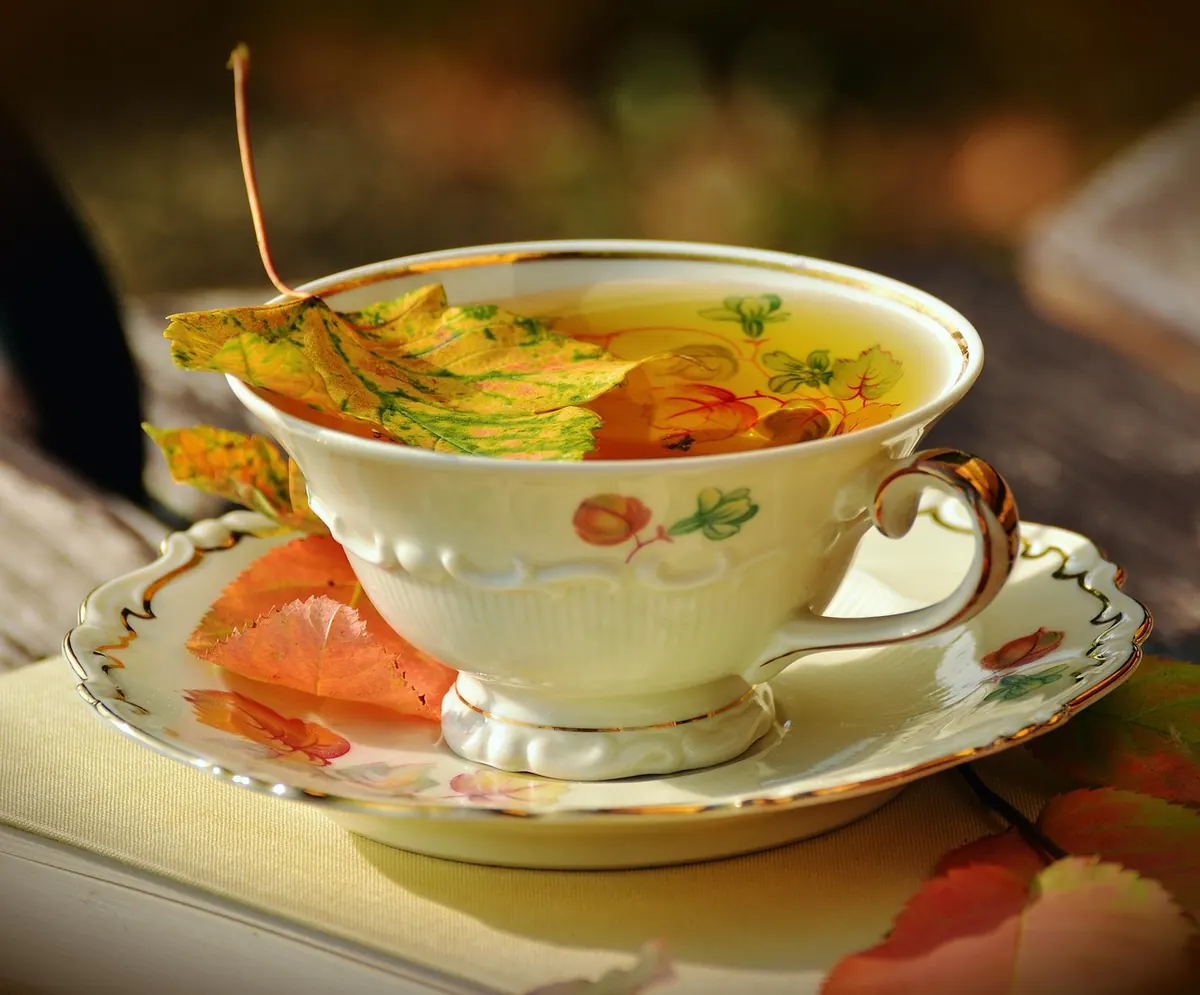
Porcelain sits in the middle. The walls are thin but dense, so the cup warms through quickly and then holds a steady, moderate temperature. It is not an insulator, but it is not a sieve either. Most porcelain cups are also on the small side, which is its own variable — a 90 ml cup cools faster than a 250 ml mug regardless of what it is made from.
Stoneware keeps tea hot longest. Thick walls, heavy body, and a glaze that slows heat loss mean your last sip is often still warm when the porcelain cup next to it has gone flat. That is a gift with a slow-sipped aged puerh and a mild irritation with a delicate green tea, which can stew if you leave the leaves in a cup that refuses to cool.
One habit improves all three: preheat. Fill the cup with hot water while your tea steeps, then dump it and pour. Ten seconds of effort, and every material starts the session warmer.
Feel in the Hand and at the Lip
In the hand
Stoneware has weight, and that weight is most of its appeal. It settles into your palm and stays put. Porcelain feels almost weightless, which reads as elegant in a small cup and as fragile in a large one. A handleless glass cup turns hot on the outside surprisingly quickly — the wall is thin enough that there is no buffer between the tea and your fingertips, which is why so many glass cups come with handles or a double wall.
At the lip
Rim thickness shapes the whole sip. A thin porcelain rim delivers tea in a narrow, precise stream, and the liquid hits your tongue at what feels like a slightly hotter temperature than the same tea in a thicker cup. A rounded stoneware rim spreads the flow, and the tea arrives softer and slower. Glass is neutral in flavor but slick in texture; some people love the clean, almost clinical feel, and others find it less comforting than clay or porcelain.
Glass earns its place for one reason above all others: you can see the tea. The color of a first-flush Darjeeling or a lightly oxidized oolong is half the pleasure, and no opaque cup gives you that.
Staining, Ghost Flavors, and Cleanup
Porcelain is glazed and vitrified, so it resists staining well. The exception is crazing — the fine network of cracks some glazes develop — which traps tannins and slowly turns the inside of the cup a permanent tea brown. Some drinkers find that charming. If you do not, avoid crackle glazes for daily use.
Stoneware is the wildcard. A glossy, fully glazed interior is nearly as stain-resistant as porcelain. A matte, rustic, or crackle glaze, or an unglazed rim or foot, will absorb. Those cups also hold onto aroma, which is pleasant if you drink one kind of tea and annoying if you switch between a smoky lapsang and a delicate white. Unglazed stoneware can mute the high notes of aromatic teas, so keep it for roasted oolongs, blacks, and chai.
Glass does not absorb anything, but it does collect a thin film of tea oils that dulls clarity and carries yesterday's flavor. A few habits keep all three in good shape:
- Rinse with hot water within a few minutes of finishing. Most of the staining happens while residue sits and dries.
- Use a baking soda paste on tannin rings — a little powder, a little water, a soft cloth, then rinse well.
- Soak cloudy glass in white vinegar or a lemon-juice solution to lift hard-water film.
- Keep crackle-glazed and hand-painted cups out of the dishwasher; heat and harsh detergent shorten their life.
- If a cup smells of old tea, fill it with hot water and a spoonful of baking soda, let it sit, then rinse and air dry.
Durability and Everyday Handling
Porcelain is hard and chip-resistant in the body, but thin rims and handles are where it fails. It also dislikes sudden temperature swings — pouring boiling water into a cold, thin cup is asking for trouble, which is another argument for preheating. Warm the cup first and the shock disappears.
Stoneware shrugs off knocks. It is heavy enough that a bump against the sink rarely matters, though a chip in the glaze can expose a porous body underneath. If you wash dishes by hand at the end of a long day, this is the material that forgives you.
Glass is the one to handle thoughtfully. Standard soda-lime glass can crack with abrupt temperature change; borosilicate handles it better. Double-wall glass cups buy you insulation with an air gap and a cool outer wall, at the cost of being fussier to clean and harder to judge by eye when the tea has reached the strength you want.
Matching the Cup to the Tea
- Green, white, and light oolong: thin porcelain or glass, small volume. You want the tea to cool slightly and to see the leaf.
- High-aroma oolong and Darjeeling: porcelain. Glass also works if you drink quickly.
- Roasted oolong, black tea, aged puerh, chai: stoneware. The retained heat keeps the body full.
- Gongfu sessions: small porcelain cups, so the tea moves from pot to mouth without a long pause.
- Desk or commute: stoneware or double-wall glass, ideally with a handle.
The Cup You Will Actually Reach For
Most people end up with two: a small thin porcelain cup for tasting, and a heavier stoneware one for the mug-sized mornings when you just want something warm for twenty minutes. Glass is the third cup — the one you pull out when the point is watching the tea.
When you shop, hold the cup first. Check the rim thickness against your lip, note whether the handle fits two fingers or three, and think honestly about whether you will preheat it. A cup that feels good in your hand gets used; a beautiful one that scalds your fingers or feels awkward does not. Buy one at a time, drink from it for a week, and let your own habits — not the shelf — decide what comes next.
Photo: JillWellington / Pixabay