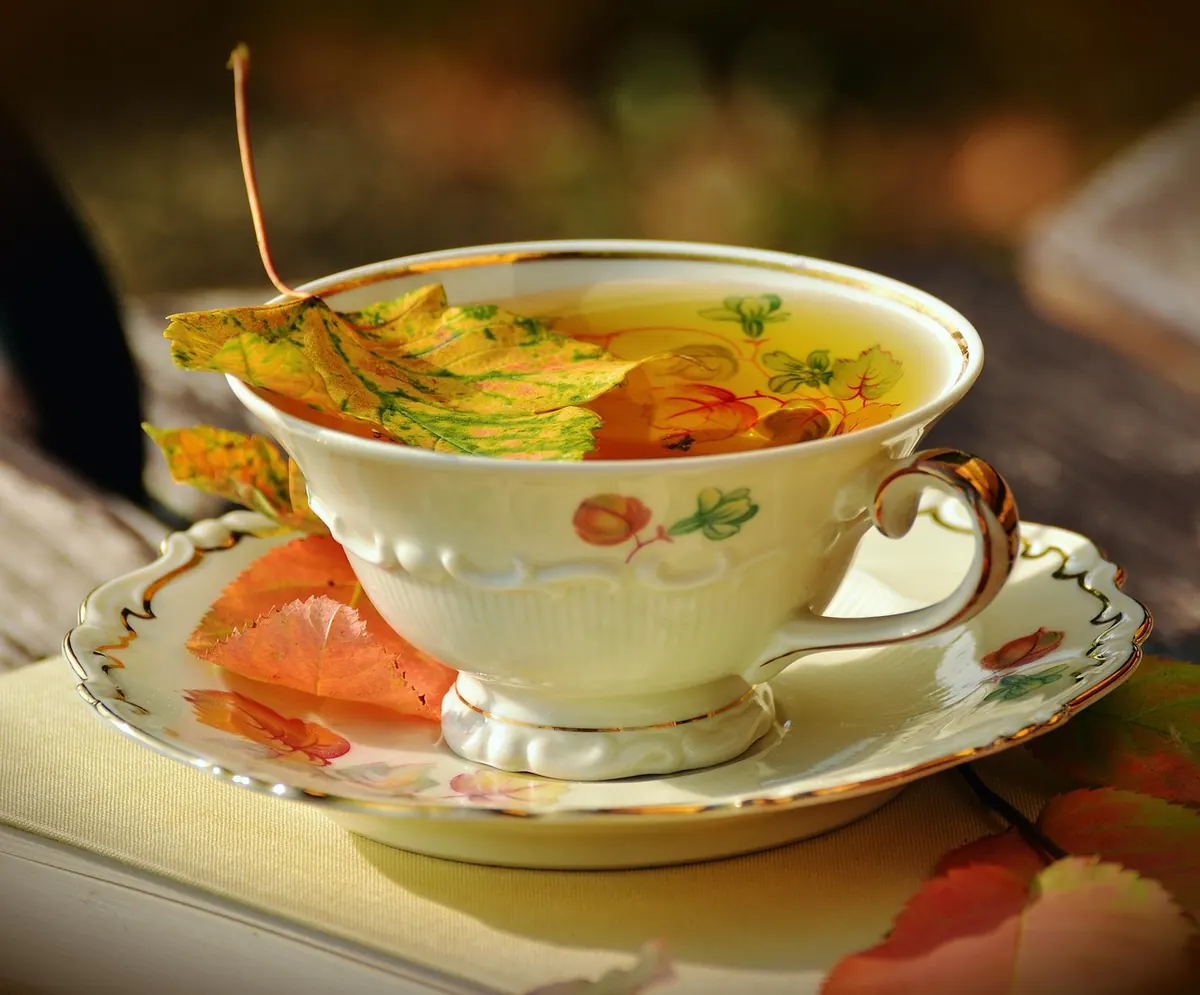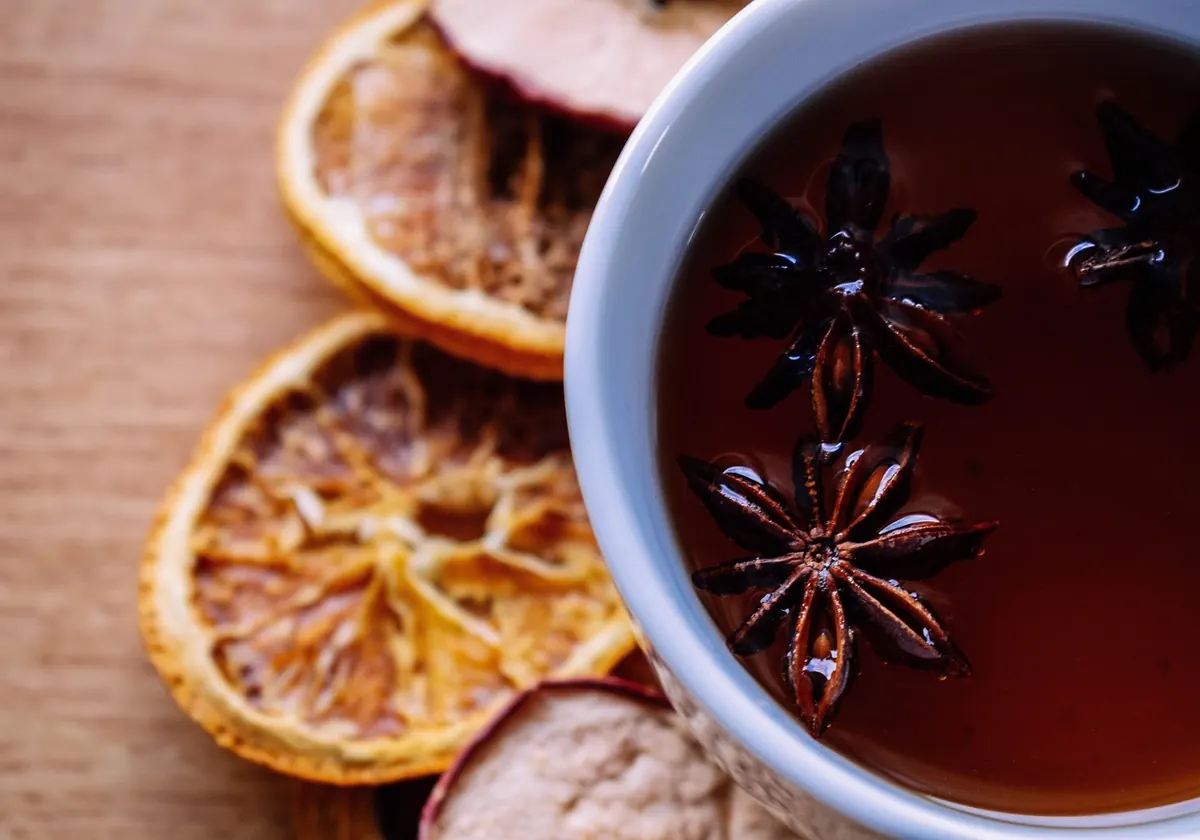
Tea is a slow drink, and few things spoil it faster than the wrong bite. A crisp sencha can vanish behind a wedge of sharp cheddar. A delicate white peony turns to nothing beside garlic hummus. The fix is not complicated: choose snacks that sit at or below the tea's intensity, clear the palate between bites, and keep portions small enough that the cup stays the main event. Below is a working checklist of ten mild snacks, plus pairing notes for green, black, oolong, and herbal teas.
Three Rules Before You Plate Anything
Match intensity, not flavour. Pairing works like a conversation. If the food talks louder than the tea, you only hear the food. A malty Assam can hold its own against butter and sugar; a gyokuro cannot. When in doubt, go milder than you think you need.
Keep salt, sugar, and acid in the middle. A pinch of salt in edamame wakes up the sweetness in green tea. A heavy hand of salt flattens everything. The same goes for sugar and lemon: a little sharpens, a lot erases.
Reset with warm water. Sip plain warm water between the snack and the next cup. It rinses the fat and salt off your tongue so the second infusion tastes like it should, rather than like the last bite.
Some foods will win no matter what you do. Leave these off the tray:
- Aged or blue cheese, and anything with a rind that tastes louder than it smells
- Raw garlic, onion, chili, and heavily spiced dips
- Thick frosting, fudge, caramel, and frosted layer cakes
- Vinegar-heavy pickles, strong mustard, and very sour citrus
- Mint sweets, especially alongside green tea — a peppermint will make a fine sencha taste like boiled grass
None of this is law. If you love lemon cake with Darjeeling, eat the cake. But if you want to taste the tea you paid for, start plain and work outward.
The 10-Snack Checklist
Every item here is mild, lightly seasoned, and small enough to finish in two or three bites. Portion matters as much as ingredients.
- Plain rice crackers or senbei. A neutral base with a light salt edge; good with roasted oolong or hojicha.
- Steamed edamame, lightly salted. Sweet and faintly grassy; sencha, dragon well, or another Japanese green.
- Cucumber or watercress sandwiches on soft white bread. Butter only, no mustard; green tea or a floral oolong.
- Plain shortbread. Butter and a little sugar; the tannin in black tea cuts cleanly through the fat.
- Madeleines or plain sponge. Airy crumb with no icing; Darjeeling, Ceylon, or a lighter Assam.
- Toasted almonds, barely salted. Nutty and warm; roasted tieguanyin or a darker oolong.
- Sesame crackers. Toasty and unobtrusive; hojicha, genmaicha, or a medium oolong.
- One square of dark chocolate, 70% or higher. Bitter and rich; a malty black tea or a roasted oolong.
- Sliced apple or pear, fresh or dried. Crisp and sweet; white tea, light oolong, or a fruit-free herbal blend.
- Plain butter biscuits. Simple and forgiving; chamomile, rooibos, or hojicha.
Green Tea: Bright, Grassy, Easily Drowned
Green teas are the shyest at the table. Sencha, dragon well, and gyokuro are built on freshness, and a strong snack will bury that entirely. Choose raw, barely dressed things: edamame, cucumber, a plain rice cracker, a small dish of shelled peas. Matcha is the exception in the green family — more assertive and bitter, which is why the traditional approach is a small sweet before the bowl, not beside it. The sweetness primes your palate, then the bitterness follows and reads as pleasing rather than harsh. Keep that sweet genuinely small: one wagashi, one piece of plain sponge, not a slice of cake.
Black Tea: Full-Bodied and Forgiving
Black tea is the easiest host. Assam brings malt, Darjeeling brings a muscatel lift, Ceylon brings briskness, and all three handle butter, sugar, and a little chocolate without complaint. Shortbread, madeleines, and plain scones work well — with a scrape of jam, not a mountain of it. A single square of dark chocolate alongside a strong Assam is one of the most reliable pairings in tea. One adjustment: if you take milk, the cup turns rounder and softer, so richer snacks sit better. If you drink it plain, keep the sugar on the plate low, or the tea will taste thin by comparison.
Oolong: The Middle Ground
Oolong spans a wide range, so taste the tea before you choose the snack. A light, floral baozhong or dancong behaves much like a green tea — cucumber, apple, a plain cracker. A roasted tieguanyin or a yancha from Wuyi behaves more like a black tea and welcomes toasted almonds, sesame crackers, and a lightly smoked or charred note on the plate. This is the tea to reach for when you want one pot to carry a whole afternoon of nibbling.
Herbal Teas: Match the Base, Not the Name
Herbal blends are defined by their base, and each one wants something different. Chamomile is soft and apple-like, so plain butter biscuits or shortbread suit it. Peppermint is sharp and clean — pair it with dry, plain things and skip chocolate, which clashes. Rooibos is sweet and woody, and it loves dried fruit and a simple cookie. Hibiscus is tart, so keep the plate plain and avoid citrus, or you will double the sourness. Ginger blends do best with a neutral rice cracker and nothing sweet at all.
Build Your Own Tray
Pick one tea and two or three snacks — no more. Small plates, small portions, one item at a time. Taste the tea first, then take a bite, then return to the cup. If the second sip still tastes like the tea, the pairing works. If the tea has gone quiet or turned bitter, drop that snack from the next round. Warm water in a separate cup, a clean napkin, and a little patience will do more for your palate than any elaborate spread. If caffeine is a concern for you, keep the herbal options on hand and check with a healthcare professional about what suits your situation.
Photo: Perfecto_Capucine / Pixabay