Cold brew tea has a reputation for being foolproof. Mostly it is — until you leave green tea in the fridge overnight and pour yourself a glass of wet lawn. The method is simple, but the numbers still matter, and they shift depending on what's in the bag. A spoonful of broken black tea and a spoonful of silver needle need very different treatment.
What follows is a working checklist for green, black, oolong, and herbal teas: how much leaf, how much water, how long in the fridge, and what to do when the first batch tastes off.
Why Cold Brew Needs Its Own Ratios
Cold water pulls flavor out of tea leaves slowly. That slowness is the whole point: the compounds that read as bitter and astringent at high heat move into the water much more gradually at fridge temperatures, so you end up with a sweeter, rounder, more fragrant glass. But slow extraction also means a standard hot-brew ratio tastes thin and hollow. Cold brew generally starts at roughly double the leaf you'd use in a teapot, and then it sits for hours instead of minutes.
That leaves you two dials: ratio and time. Change one at a time. If a batch is too weak, add leaf before you add hours — over-steeping past the window is how cold brew turns harsh.
The Baseline: 1 Gram of Leaf per 100 Milliliters
One gram of leaf to 100 milliliters of water — a 1:100 ratio — is a solid middle ground for most teas. In kitchen terms, that's about 1 teaspoon of loose leaf per 8-ounce glass. It's an approximation, because a teaspoon of fluffy chamomile weighs far less than a teaspoon of dense rolled oolong. A small kitchen scale removes the guesswork entirely, and if you brew the same tea often, it's worth the counter space.
Two things to keep in mind before you start. Use filtered water; cold brew is gentle enough that off flavors in tap water show up clearly. And start with cold or room-temperature water only — brewing hot and then chilling is a different drink with a sharper edge.
If you want a concentrate
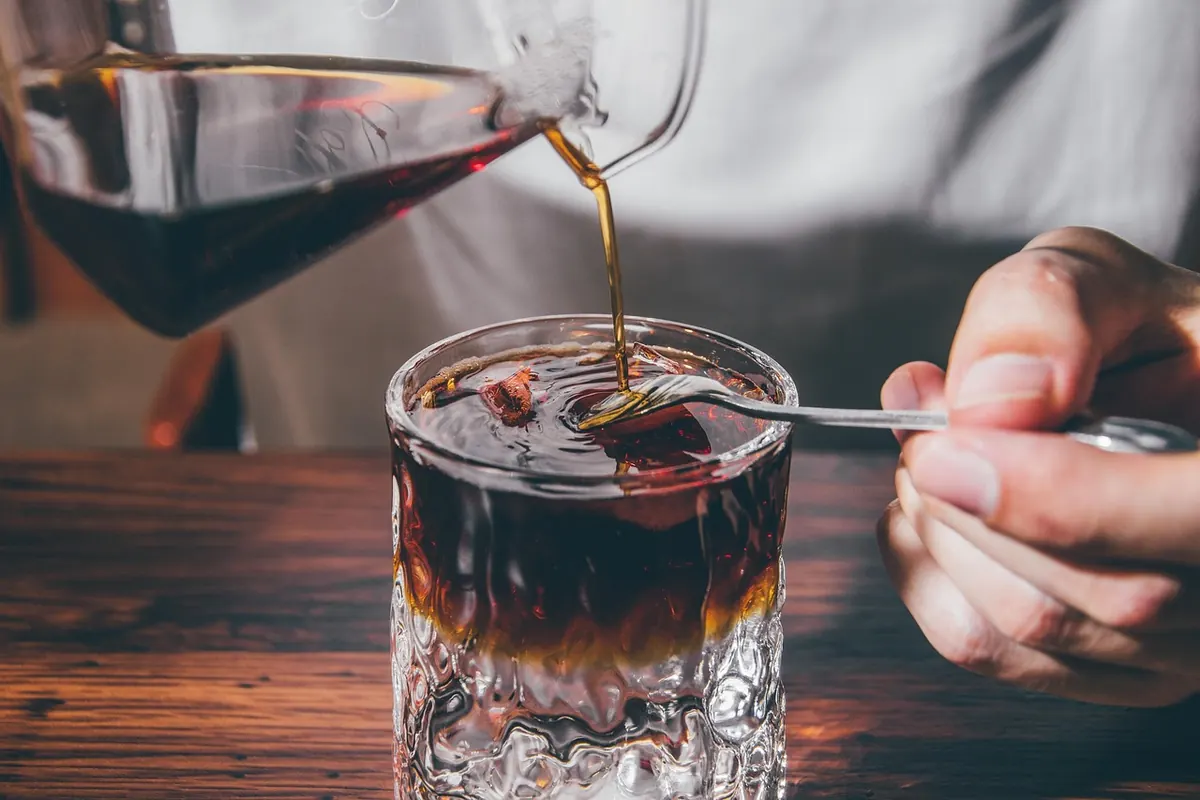
Double the leaf but not the time: 2 grams (about 2 teaspoons) per 100 milliliters, brewed for the same number of hours, then diluted 1:1 with water, milk, or sparkling water when you pour. This is the version to keep on hand for iced lattes, boba, or cocktails, since the ice and the mixer won't wash out the flavor.
Green Tea: Four to Six Hours, Then Stop
Green tea is the one to set a timer for. It's delicate, and long cold steeps push it from sweet and vegetal into bitter and grassy. Use 1 teaspoon per 8 ounces of water and check it at four hours; six is usually the ceiling. Sencha and gyokuro do well here and taste remarkably soft — almost sweet — compared with their hot-brewed versions.
Roasted green teas like hojicha are the exception. They're lower in the compounds that turn bitter, so they can sit eight hours and come out tasting like toasted caramel. If you want a cold drink at room temperature instead of fridge-cold, cut the time roughly in half.
Black Tea: Eight to Twelve Hours
Black tea is the overnight workhorse, the one that genuinely improves with a long cold soak. Use 1 teaspoon per 8 ounces, or a generous tablespoon per quart, and let it go eight to twelve hours. Assam gives you malt and body; a bright Ceylon stays crisp and clean.
Two adjustments worth knowing. First, flavored blends like Earl Grey go soapy and perfumed past about eight hours, so pull them early. Second, add citrus, fruit, or honey after brewing rather than into the jar — a slice of lemon left steeping for twelve hours makes the whole batch taste flat and dull.
Oolong: Match the Time to the Shape
Oolong is the most rewarding tea to tune, because the same leaf gives noticeably different results across the window. Light, ball-rolled oolongs such as milk oolong or tieguanyin want about 1½ teaspoons per 8 ounces and six to eight hours. Strip-style leaves like dan cong are lighter and looser; 1 teaspoon and five to seven hours is plenty. Roasted oolongs — rock teas, roasted tieguanyin — can handle eight to ten hours and taste better for it, with the roast rounding into something like dried fruit.
Herbal Teas: Hard to Over-Steep, Easy to Overdo
Herbals contain no true tea leaf, so the tannins that punish long steeps aren't in play. Most blends can sit eight to twelve hours without complaint. They're bulky, though, so start with 2 teaspoons per 8 ounces rather than the teaspoon you'd use for tea leaf.
- Rooibos, peppermint, chamomile: 8–12 hours. Rooibos in particular gets sweeter and rounder the longer it sits.
- Hibiscus: 4–6 hours. It turns bracing and tart fast, so taste early.
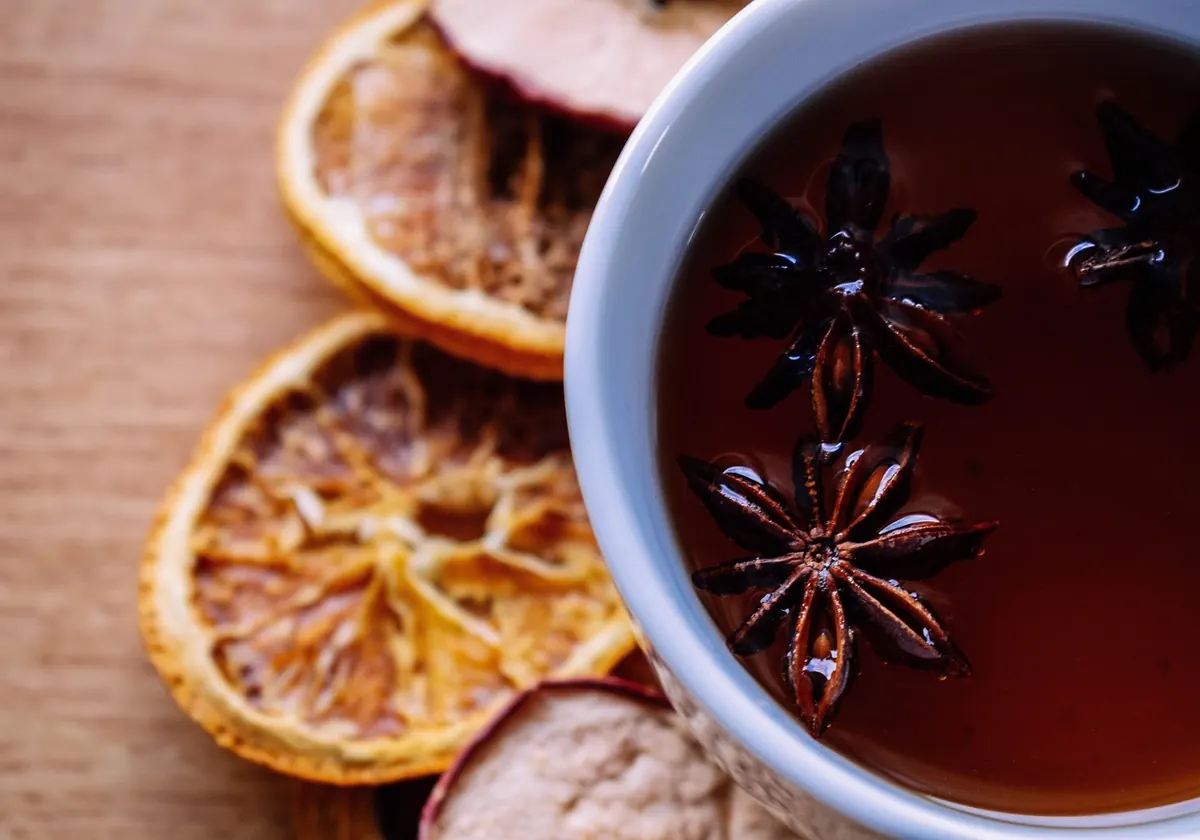
- Ginger, cinnamon, whole spices: 12 hours or more. Chunks and bark release slowly; some people leave them overnight twice.
If you're pregnant, nursing, or taking regular medication, check with a pharmacist or doctor before making a specific herb a daily habit — some are more medicinally active than they look on a tea shelf.
The Printable Checklist
Tape this to the fridge door and you'll never guess again. Ratios are per 8 ounces (about 240 milliliters) of cold, filtered water.
- Green tea: 1 tsp leaf · 4–6 hours · roasted greens up to 8 hours
- Black tea: 1 tsp leaf · 8–12 hours · flavored blends 6–8 hours
- Oolong: 1½ tsp rolled, 1 tsp strip-style · 5–8 hours · roasted 8–10 hours
- Herbal: 2 tsp leaf · 8–12 hours · hibiscus 4–6 hours
Every ratio assumes whole leaf. Broken leaf, fannings, and tea bags extract faster, so cut the time by about a third and taste early.
When the Batch Tastes Wrong
Bitter or drying: you went long, or the leaf was too broken up. Shorten the next steep by two hours and check at the early mark rather than the late one.
Thin and watery: add leaf, not time. Another teaspoon will do more than another two hours, which mostly pulls out astringency.
Cloudy after chilling: normal for black tea and some oolongs, and harmless. It's the same haze you see in chilled coffee, and it settles if you let the glass stand a minute.
Straining, Storing, and Serving
Strain the leaves out when the brew hits the time you want. Leaves left in the jar keep extracting, which means tomorrow's glass is stronger and rougher than today's. A fine mesh strainer or a nut-milk bag works; for tea bags, just lift them out.
Stored in a sealed glass jar in the fridge, cold brew tea keeps about three to four days. Past that it tastes flat even when it's technically fine. If you pour over ice, remember the ice is dilution — brew slightly stronger than you like, or freeze some of the finished tea into cubes and use those.
Finally, write the date and the ratio on a strip of masking tape on the jar. Four batches from now, when you find the one your household actually finishes, you'll want to know exactly what you did.
Photo: chico明 / Pixabay